















About Real Vintage Gold Charms Under $1,000
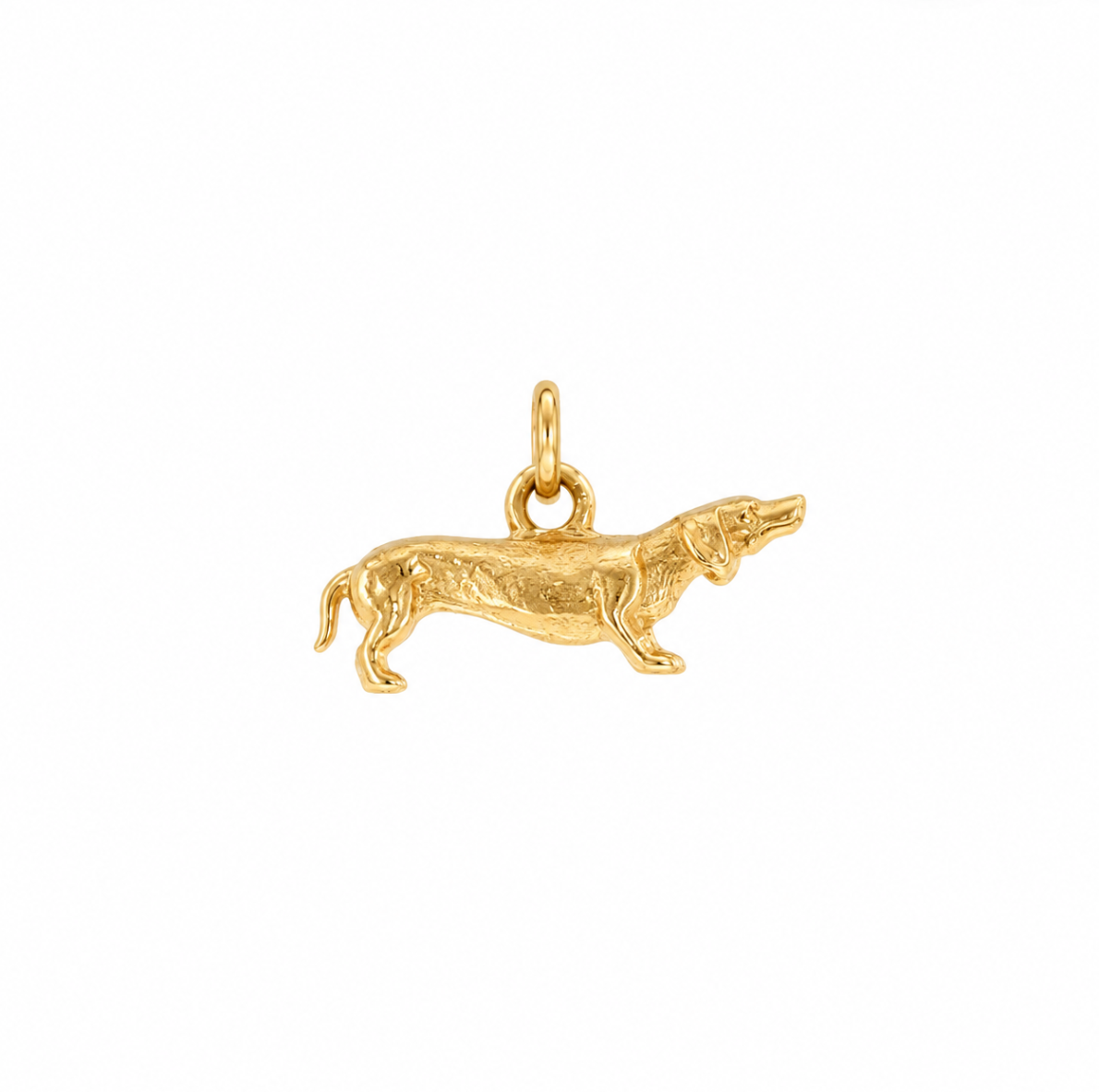
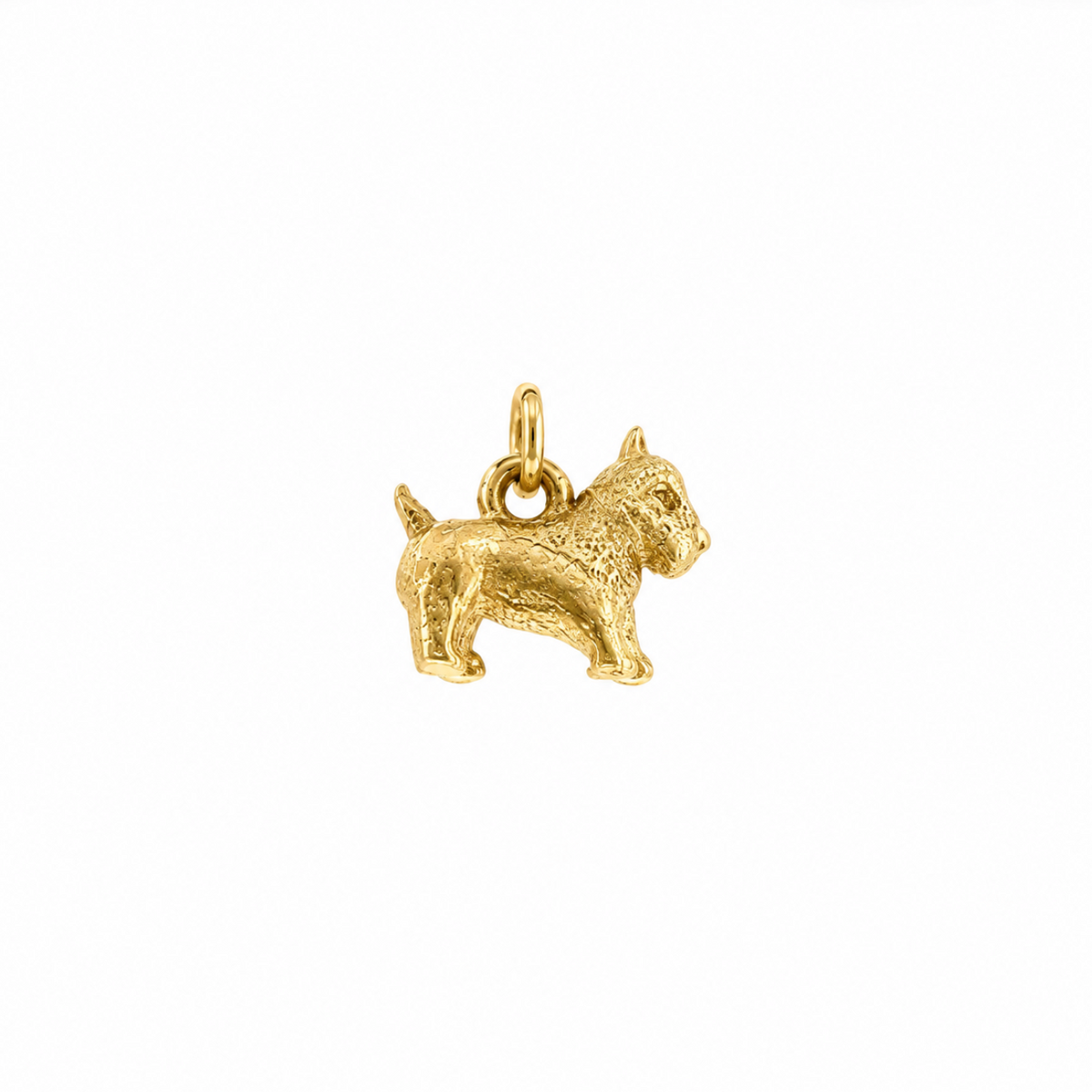
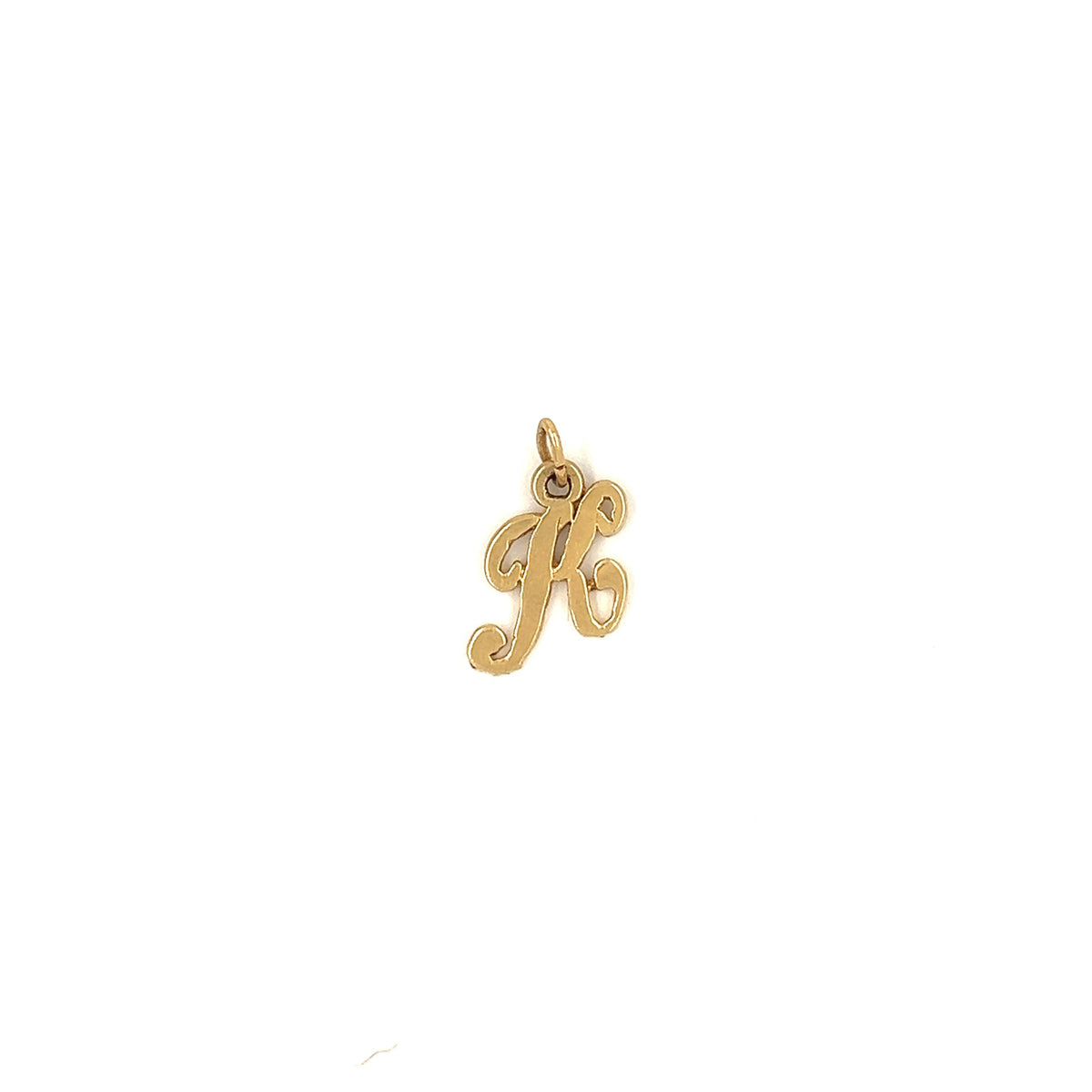
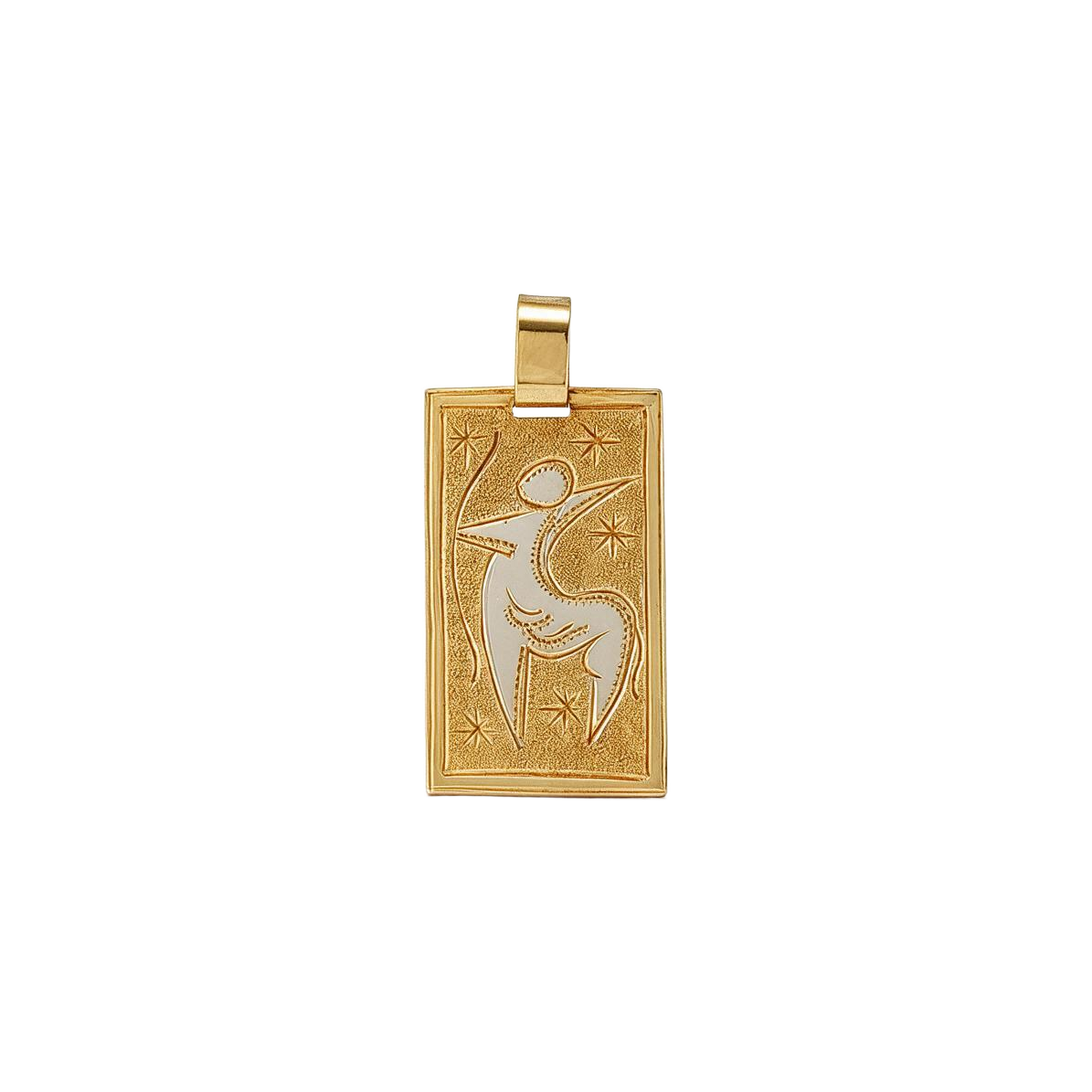
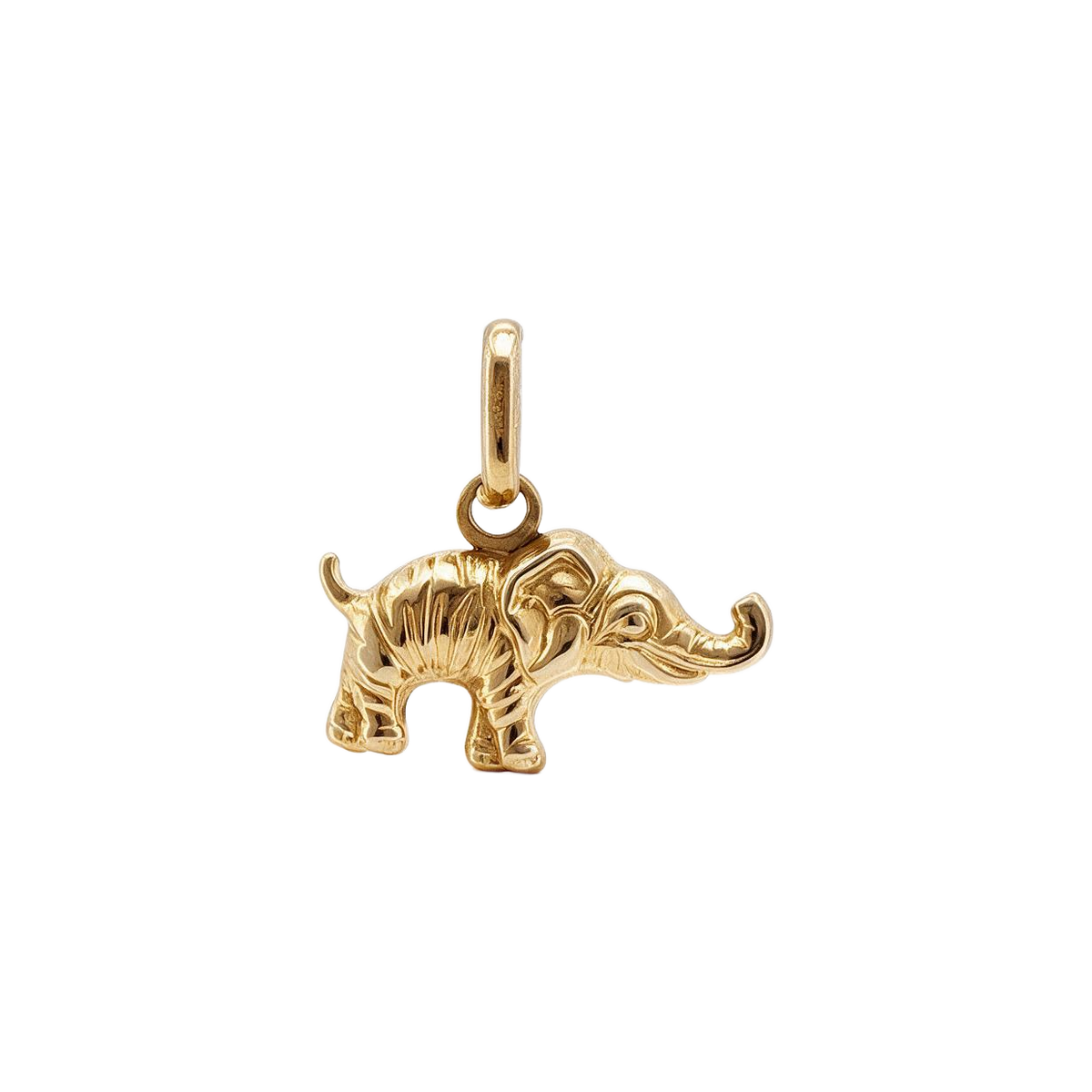
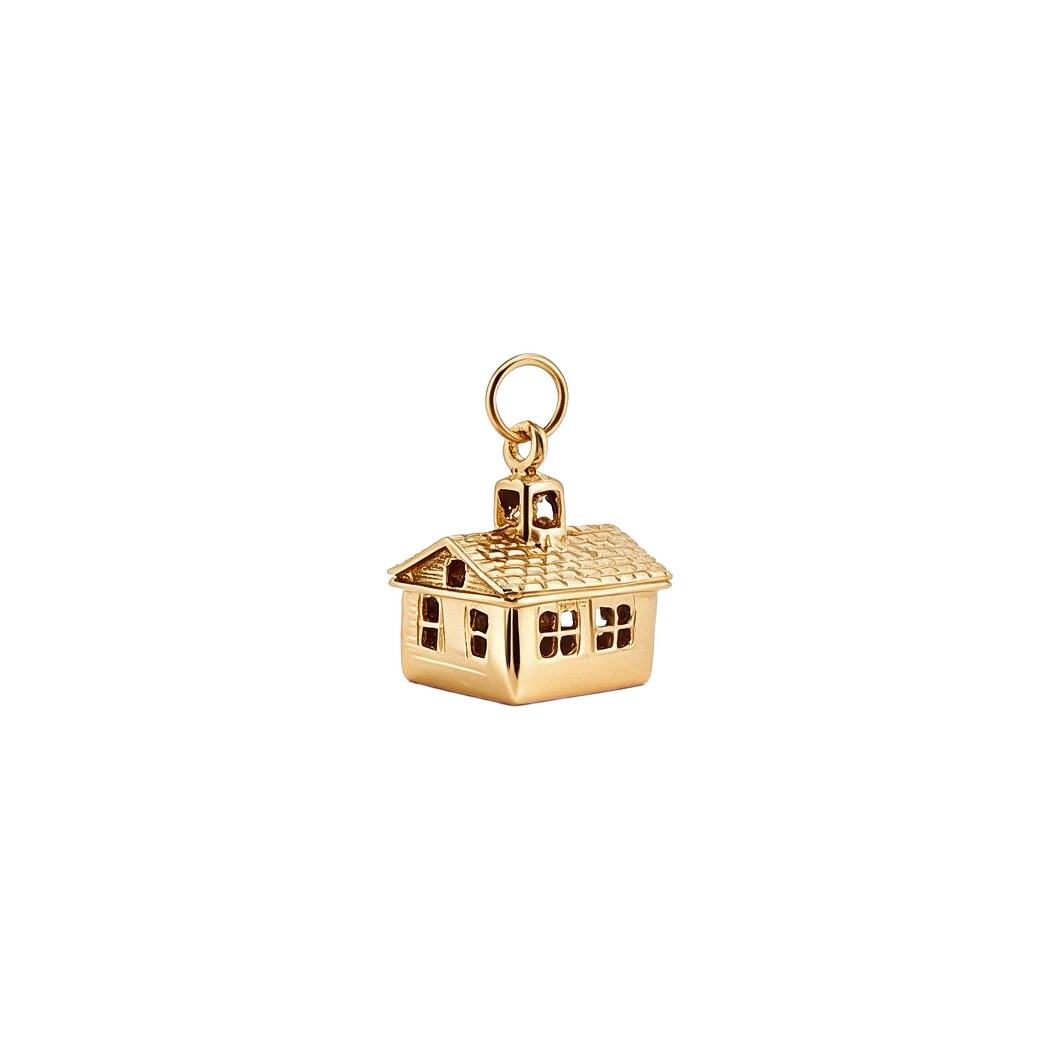
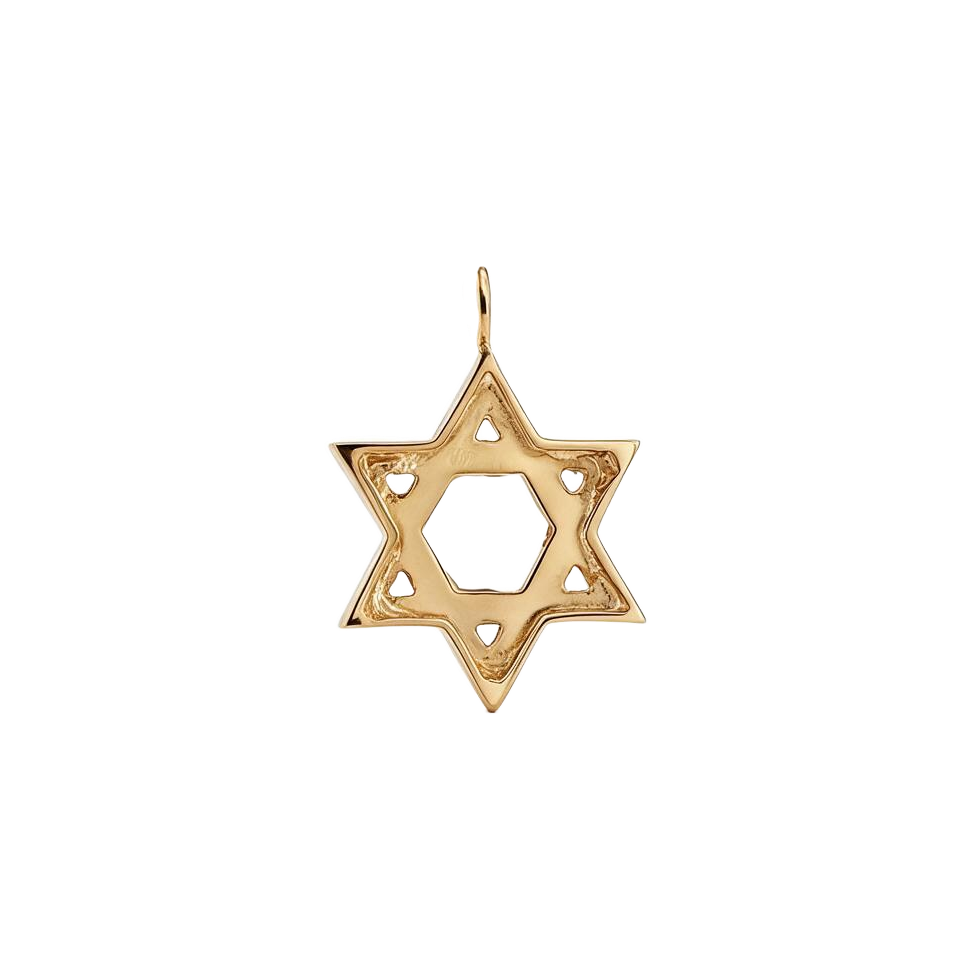
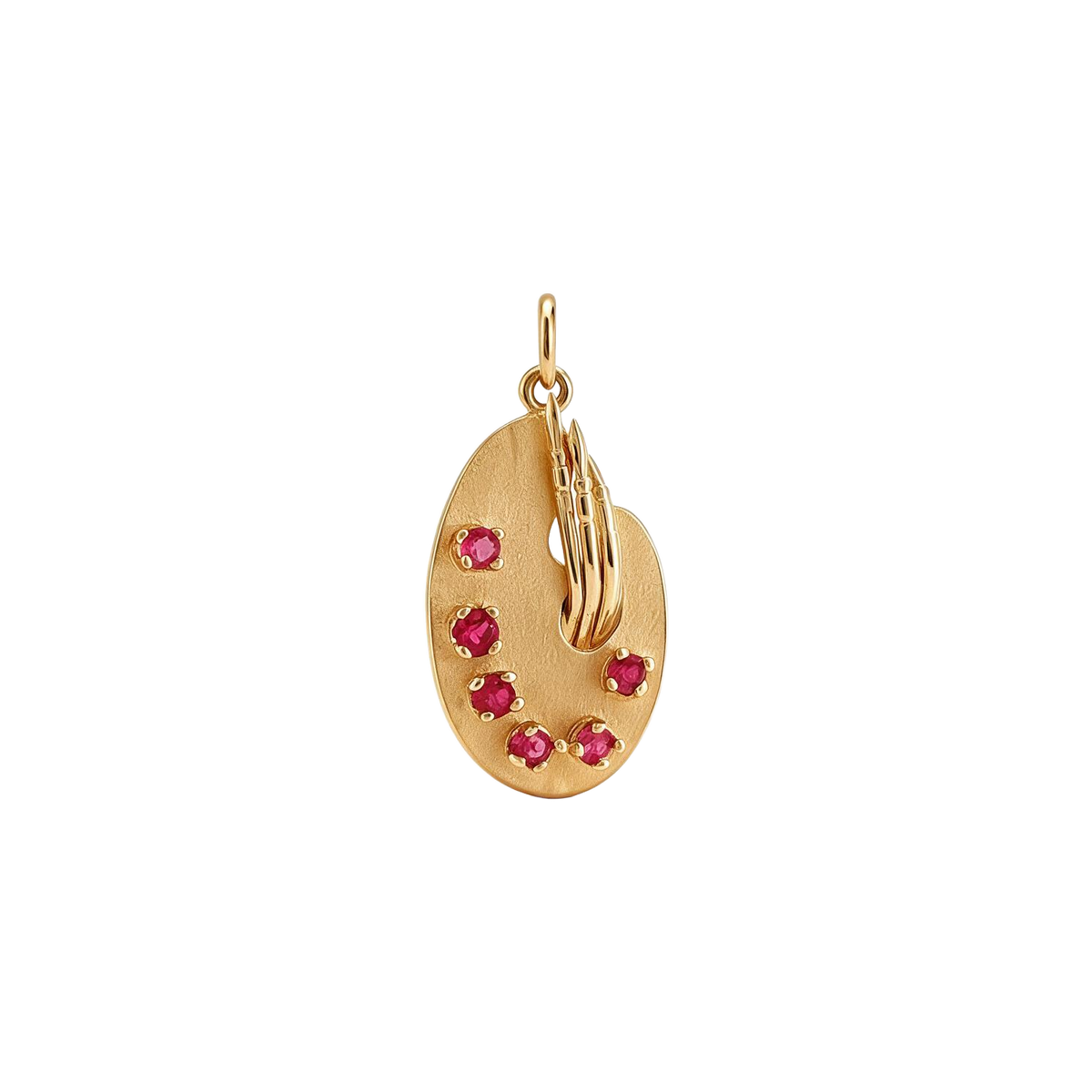
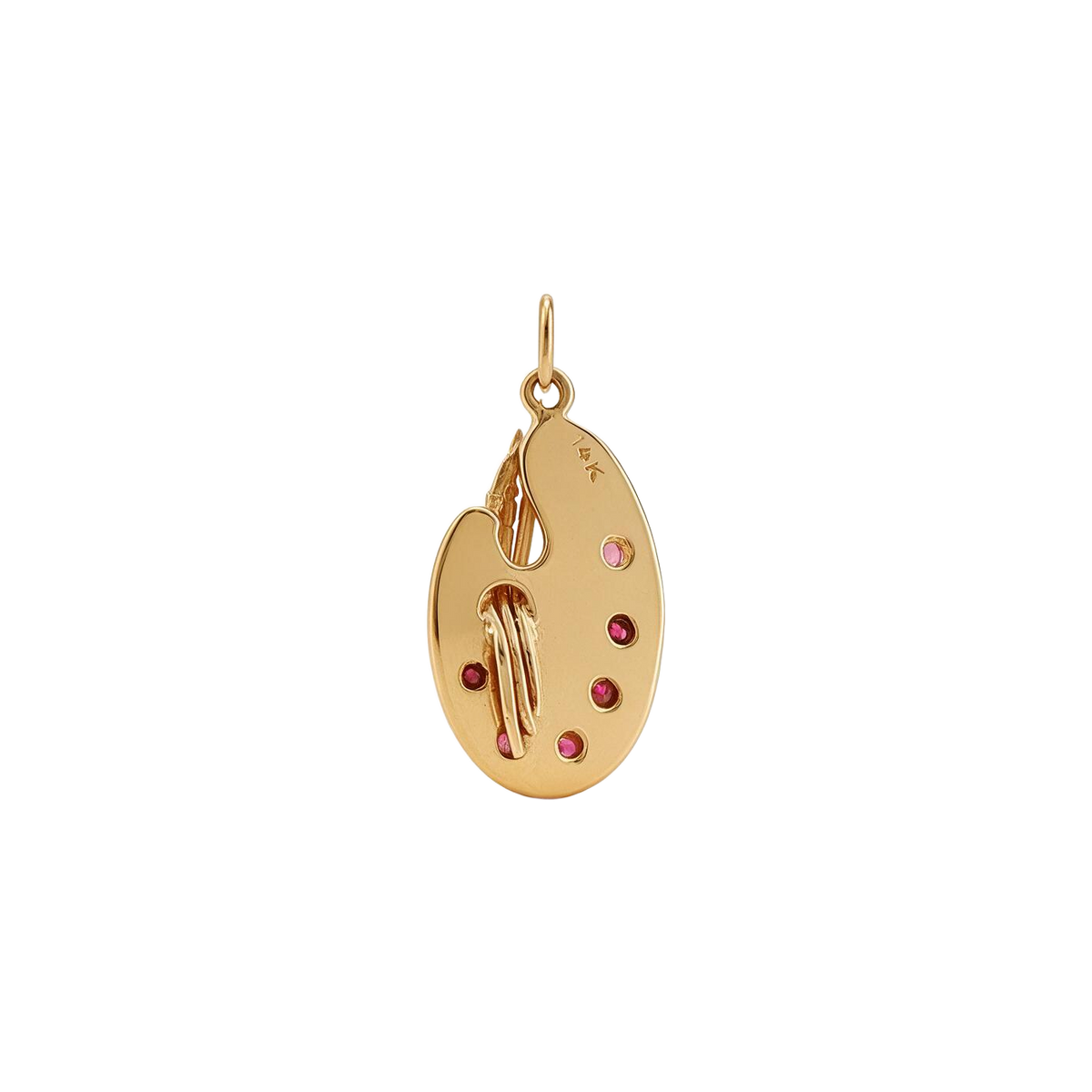
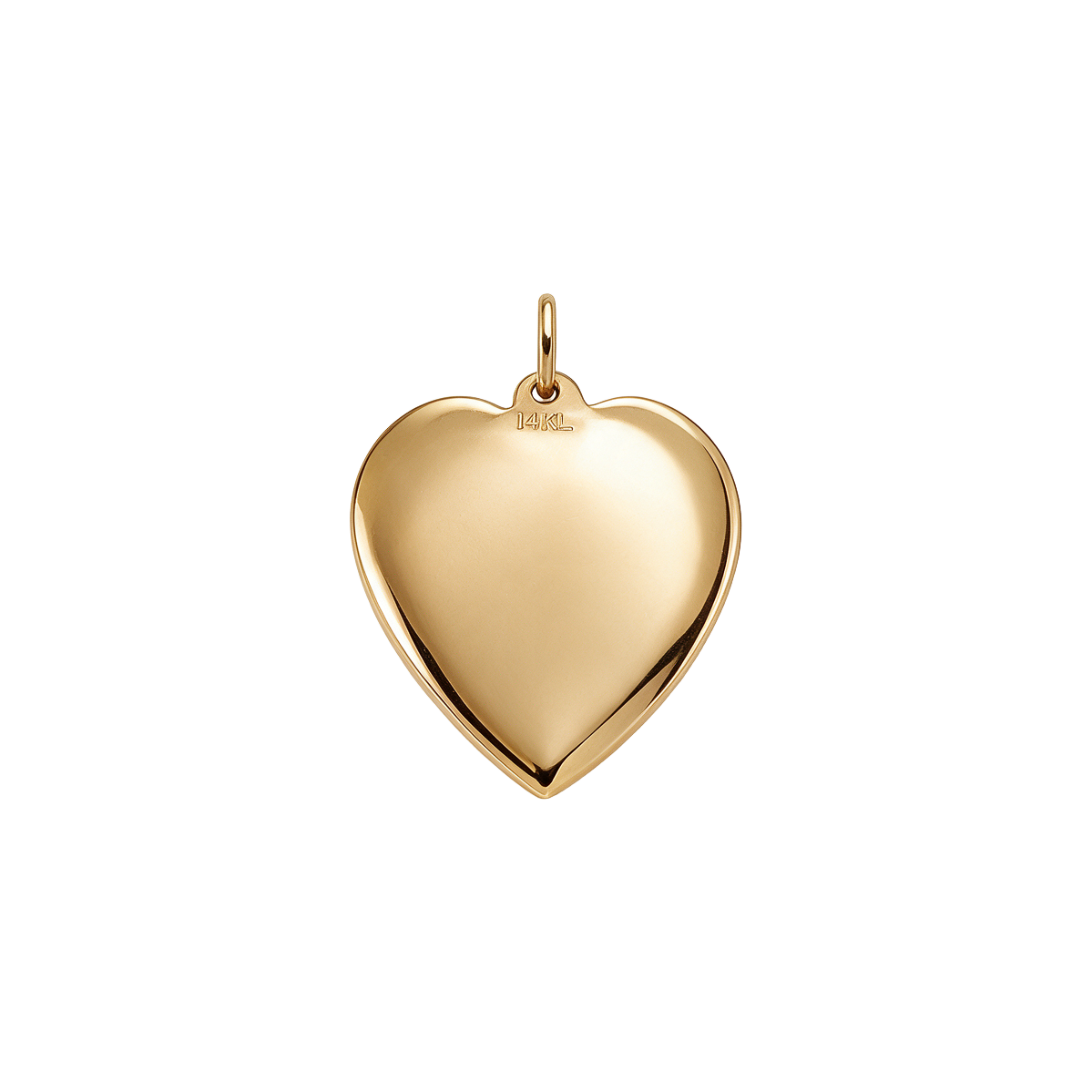
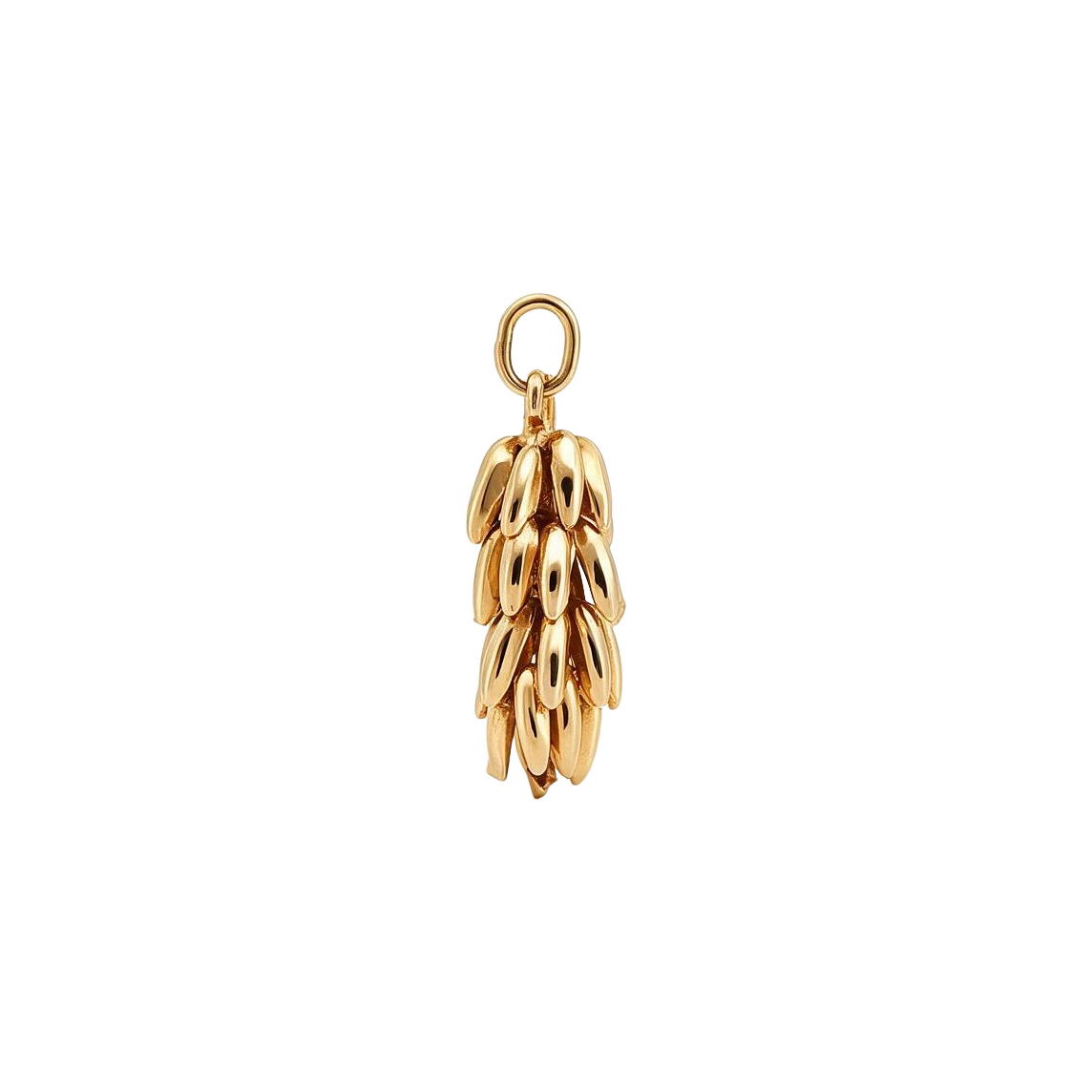
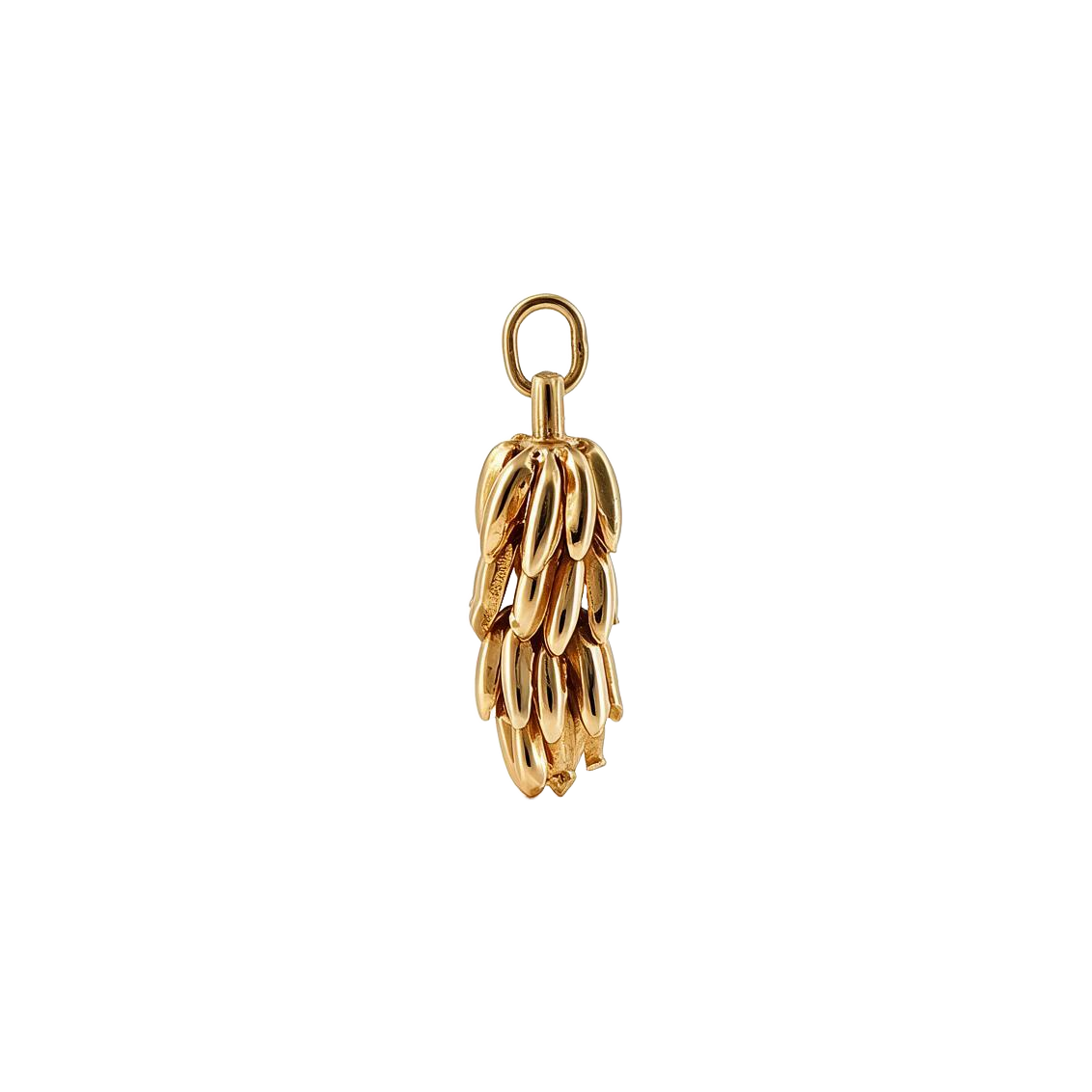
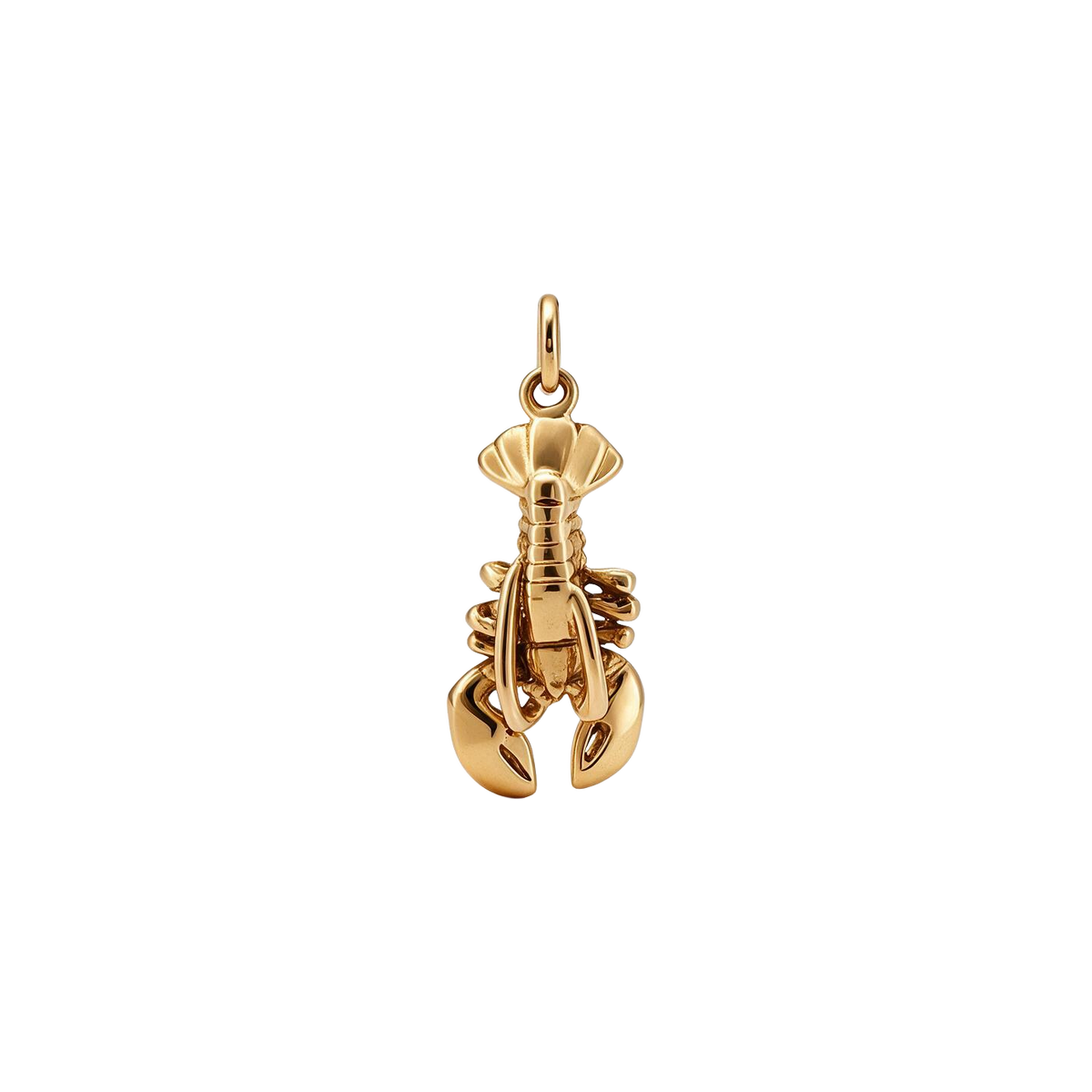
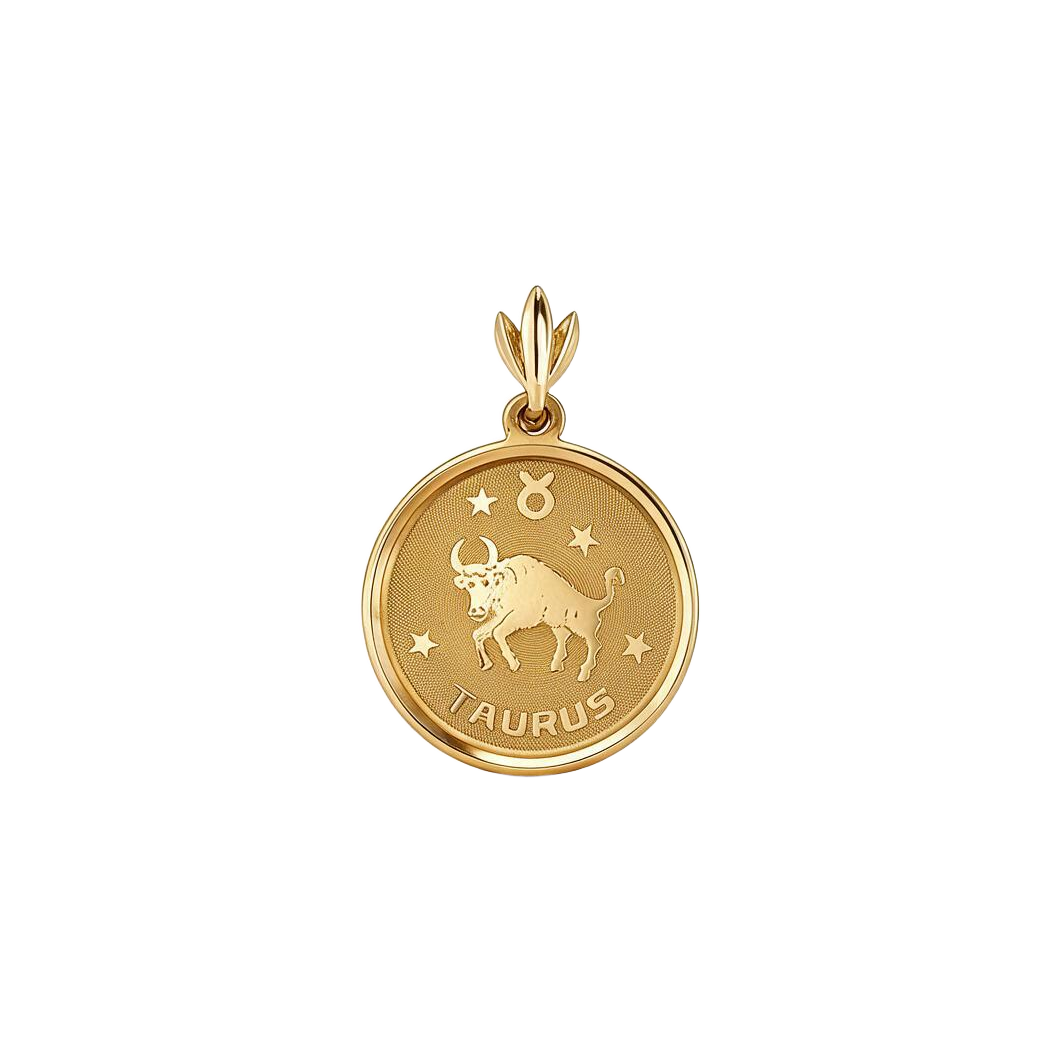
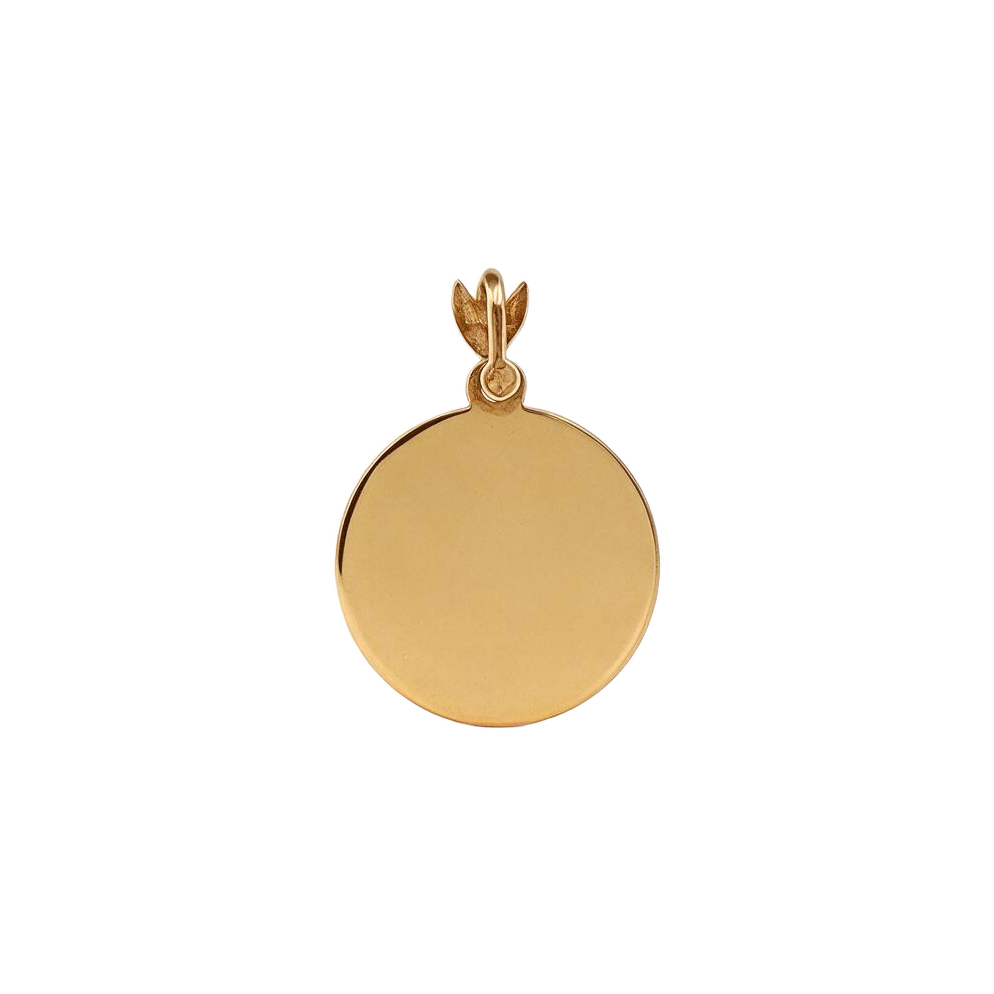
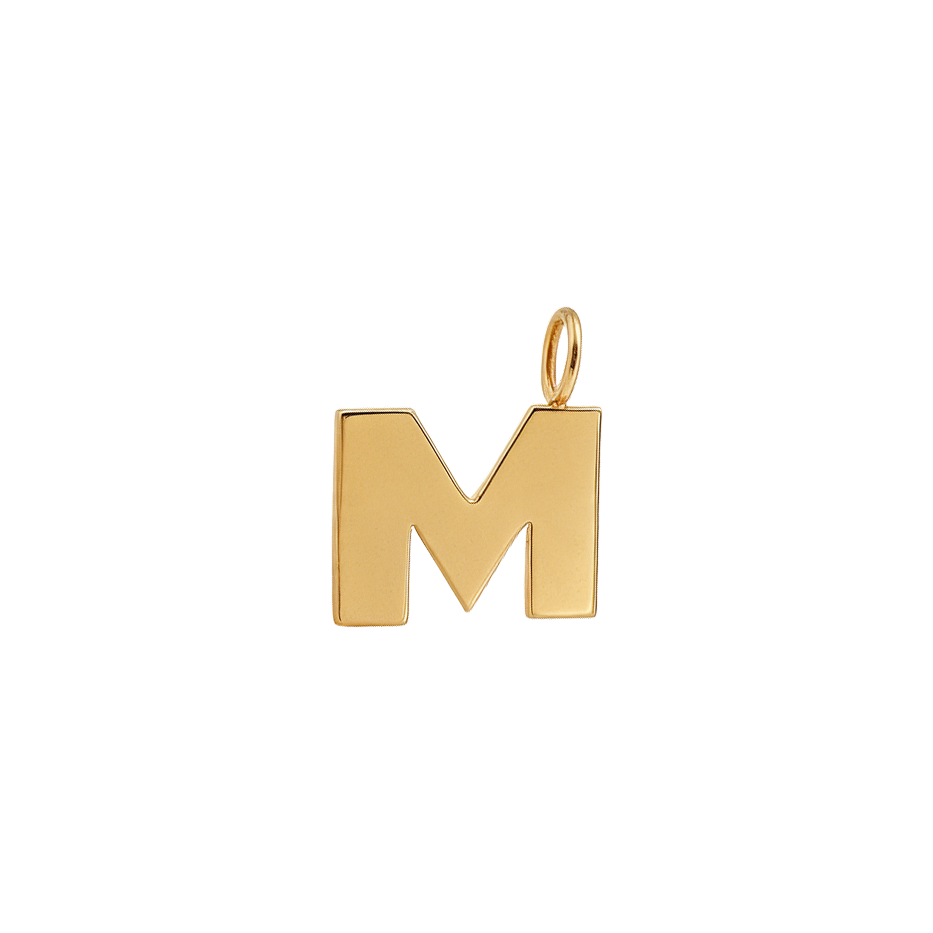
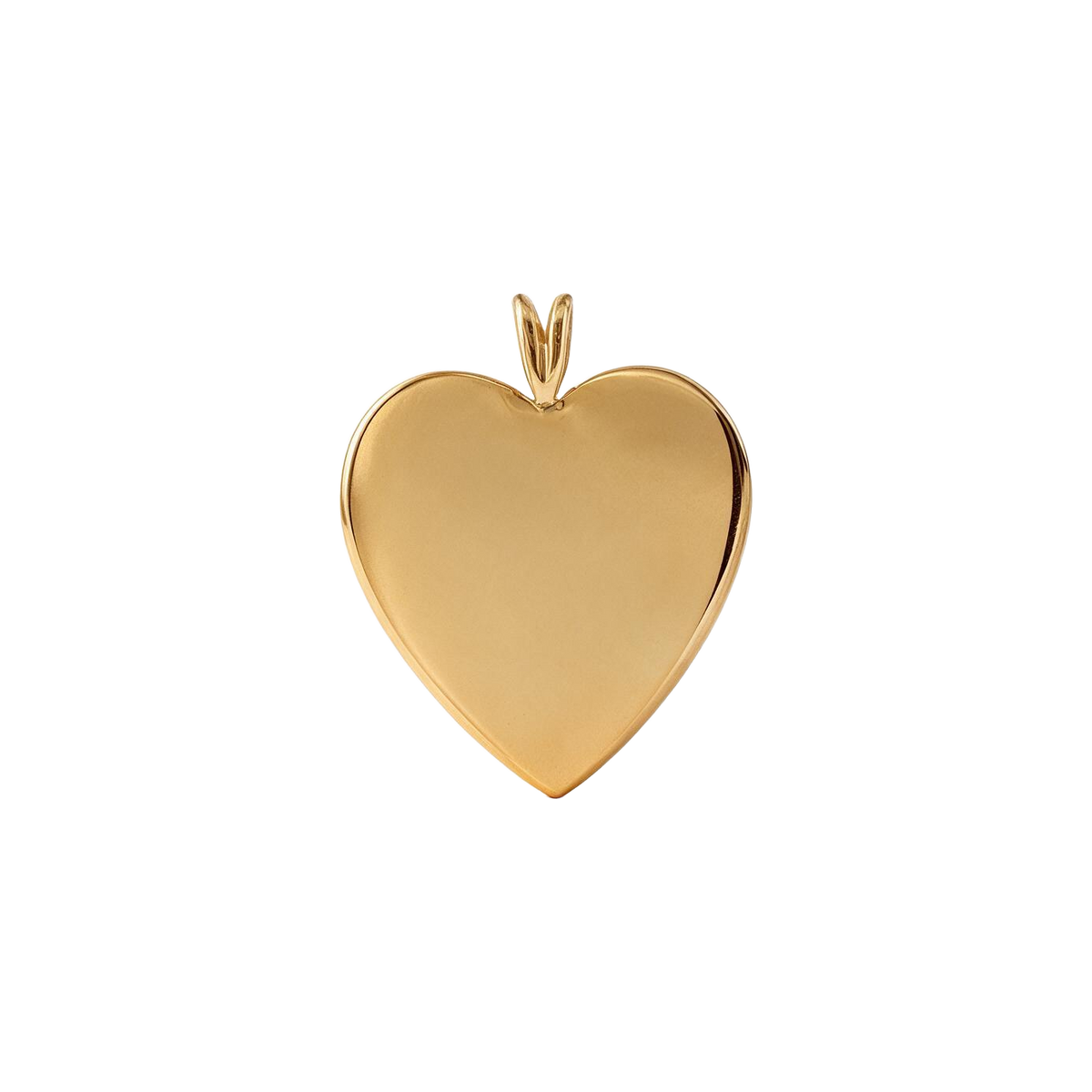
A real vintage gold charm does not have to cost thousands. Every charm on this page is under $1,000, and every one is vintage: made once, between roughly the 1950s and the 1990s, worn before, and no longer made, so there is one of it and it is yours. The price of a gold charm follows its weight, and a small charm, a zodiac coin, a puffy heart, an initial, a thimble, a ballet flat, holds less gold than a large pendant; that is the whole reason a real vintage piece can be had for a few hundred dollars. The words matter when you shop: vintage means made decades ago; vintage-inspired means made now in an older style; estate means it had an owner before you, which every vintage piece did. MCJ2 lists its contemporary pieces as contemporary, and gives the karat in every title.
Questions
What is the difference between real vintage and vintage-inspired gold jewelry?
Vintage was made decades ago, usually by a maker who no longer makes it, and there is one of each piece. Vintage-inspired is made today in an older style, in whatever quantity the maker wants. Both can be solid gold; the difference is age and number. MCJ2 Vintage sells both and names them: a title that says vintage, or gives a decade, is a vintage piece, and the contemporary pieces are listed as contemporary.
How do I tell if a vintage charm is really old?
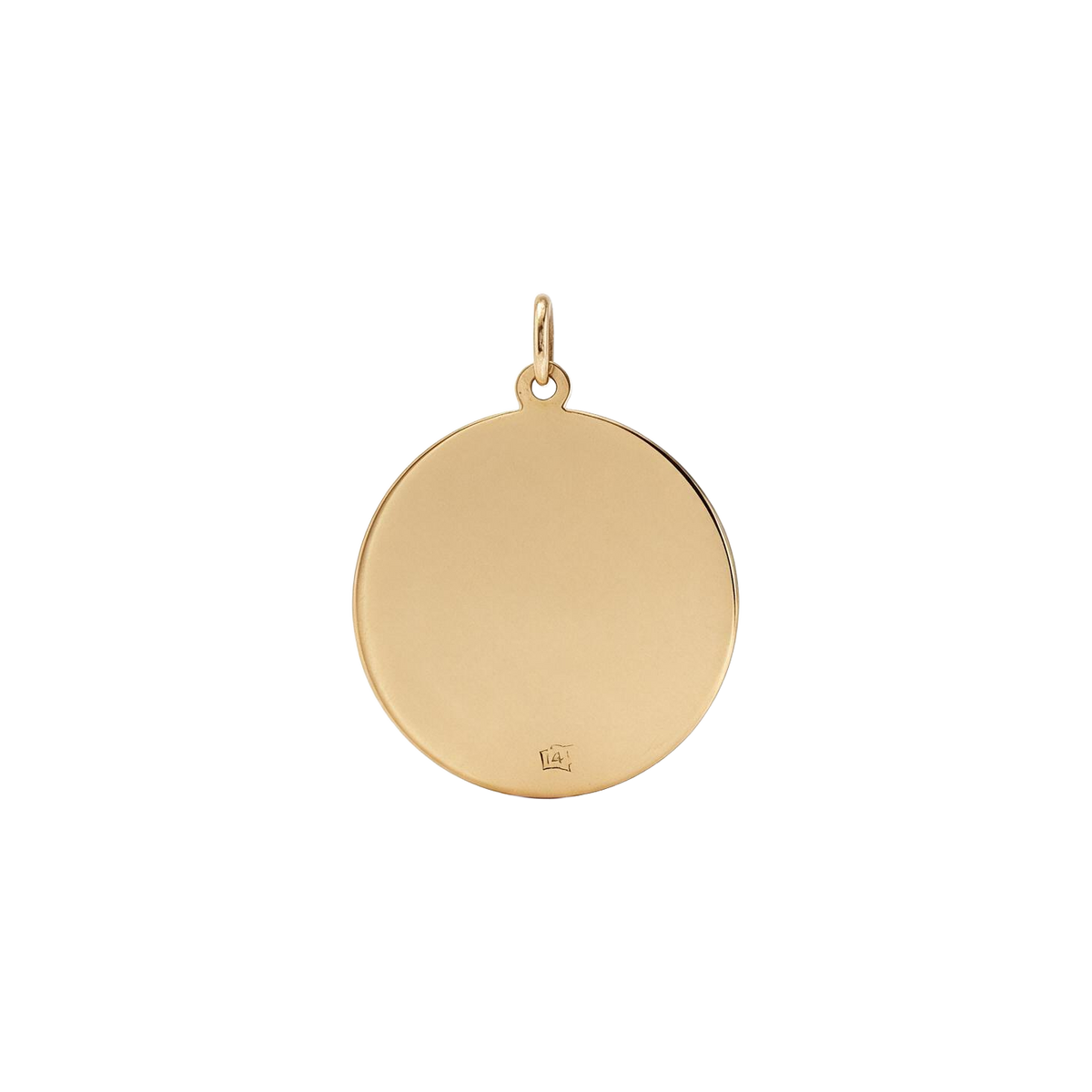
Read the piece. Soft wear on the high points with crisp detail in the recesses; a bail or ring in the shape of its decade; a karat mark of its country, 14K on American pieces, 585 or 750 on European ones; a motif that belongs to its time, engine turning in the 1950s and 1960s, zodiac coins in the 1970s. Weight helps too: these charms were cast or stamped solid, and the gram weight is on the listing where it is known.
I want a real vintage piece but on a budget. Where do I start?
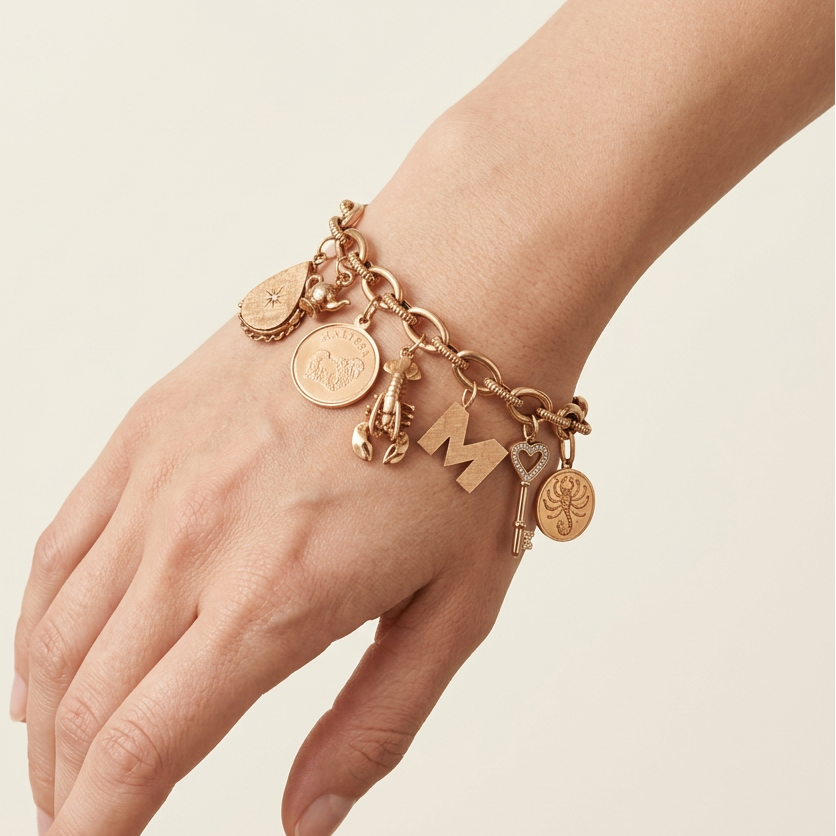
With a small charm. Gold is priced by weight, so a zodiac coin, a puffy heart, an initial or a thimble in 14k sits between about $200 and $600 here, and it is as vintage as a pendant ten times the price. Wear it alone on a chain you already have, or let it be the first charm on a bracelet.
What does estate jewelry mean when someone sells it that way?
Jewelry that belonged to someone before you, whatever its age. A vintage charm is estate by definition; an estate piece can be a year old. MCJ2 Vintage uses both words because every piece here had a previous owner and most are decades old.
Vintage, antique or estate gold jewelry: which should I buy?
The words describe age, not quality. Antique means over a hundred years old; vintage covers roughly the 1930s to the 1990s; estate is any previously owned piece. Everything on this page is vintage, from the 1950s to the 1990s, and all of it is estate. Buy the piece you would wear, and let the word follow.
Where can I buy vintage gold charms online and know they are solid gold?
From a seller who states the karat on every piece and says where the karat comes from. Every title here gives the karat, 14k or 18k, taken from the stamp on the piece or from the testing noted in the listing. Nothing on this page is plated or gold filled.
Why do vintage gold charms feel heavier?
Many were made solid rather than hollow, and mid-century charms were often cast thick because gold cost far less per gram than it does now. A 1960s puffy heart has gold where a thin one has air. The gram weight, where known, is in the listing; in the hand it tells you itself.
I want something no one else will have. Where do I find gold charms no one else will have?
Here. A vintage charm exists once: the mold is gone, the maker is gone, and the piece on this page is the only one. Two vintage puffy hearts are never the same heart, and no two zodiac coins from the 1970s wear the same way. That is what vintage means, at any price.
Have a question about a piece? Ask MCJ2 Vintage